Defending Your Node.js App: Understanding and Mitigating DDoS Attacks
Welcome to Part 4, the final installment of our series on Defending Your Node.js App. In our previous article on CSRF, we learned how to protect users from forged requests. Today, we will zoom out from the application code and focus on understanding and mitigating DDoS (Distributed Denial of Service) attacks.
What is DDoS?
A DDoS (Distributed Denial of Service) attack is a cyberattack where attackers overwhelm a server, website, or API with an extremely large number of requests. The goal is to consume so much of the target's resources that it becomes slow, unavailable, or completely crashes.
Because too many fake requests are sent to a server simultaneously, real, legitimate users are blocked from accessing the application or website.
How It Works
During a DDoS attack, the basic flow is: Millions of fake requests ➔ Server Overload ➔ Crash / Slowdown
To generate this massive volume of traffic, attackers usually use:
Bot networks (Botnets)
Compromised computers
Malware-infected devices (IoT)
Automated scripts
The Impact
A successful DDoS attack can lead to severe consequences for a business:
Website downtime
Loss of revenue
Damage to reputation
Loss of customer trust
How to Prevent DDoS Attacks
Unlike XSS or NoSQL Injection, defending against massive DDoS attacks cannot be fully handled within the application code itself. However, there is one crucial first step you can implement in Node.js before relying on infrastructure.
Here are the key strategies to mitigate DDoS attacks:
1. Rate Limiting in Node.js
Limit the number of requests a single user or IP address can make within a specific time frame. This prevents automated scripts from flooding your server. You can implement this directly in your Express app using express-rate-limit.
npm install express-rate-limit
import express from 'express';
import rateLimit from 'express-rate-limit';

const app = express();

// Set up the global rate limiter
const globalLimiter = rateLimit({
    windowMs: 15 * 60 * 1000, // 15 minutes window
    max: 100, // Limit each IP to 100 requests per `windowMs`
    message: "Too many requests from this IP, please try again after 15 minutes." // Message sent back to the user
});

// Apply the rate limiter globally to all requests
app.use(globalLimiter);

// You can also apply stricter limits to specific routes (like login)
const loginLimiter = rateLimit({
    windowMs: 60 * 1000, // 1 minute window
    max: 5, // Limit each IP to 5 login attempts per minute
    message: "Too many login attempts, please try again after a minute."
});

app.post('/login', loginLimiter, (req, res) => {
    // Login logic here
    res.send("Login successful");
});
This is the one DDoS mitigation strategy you can implement directly in your Node.js app. Everything else happens at the infrastructure level.
2. Load Balancing
Distribute incoming traffic across multiple servers. This ensures that no single server is overwhelmed, improving overall resilience.
3. Firewall Rules (WAF)
Configure Web Application Firewalls (WAF) to inspect incoming traffic and block requests from known malicious IP addresses or unexpected geographic regions.
4. CDN & Caching
Content Delivery Networks (CDNs) absorb traffic at the edge (closer to the user) and serve cached content. This dramatically reduces the direct load on your origin server during an attack.
5. Intrusion Detection Systems (IDS)
Monitor network traffic for unusual patterns, sudden spikes, or anomalies that may indicate an impending DDoS attack.
6. Anti-DDoS Services
Use specialized services (like Cloudflare, AWS Shield, or Akamai) that provide infrastructure designed to detect and absorb massive DDoS attacks in real-time before they even reach your servers.
Conclusion
Using these strategies can help protect your website or application from DDoS attacks and ensure that legitimate users can access your services without interruption.
However, it is important to remember that no system is completely immune to DDoS attacks. Continuous monitoring, regular updates, and a proactive security approach are essential to minimize the risk and impact of such attacks.
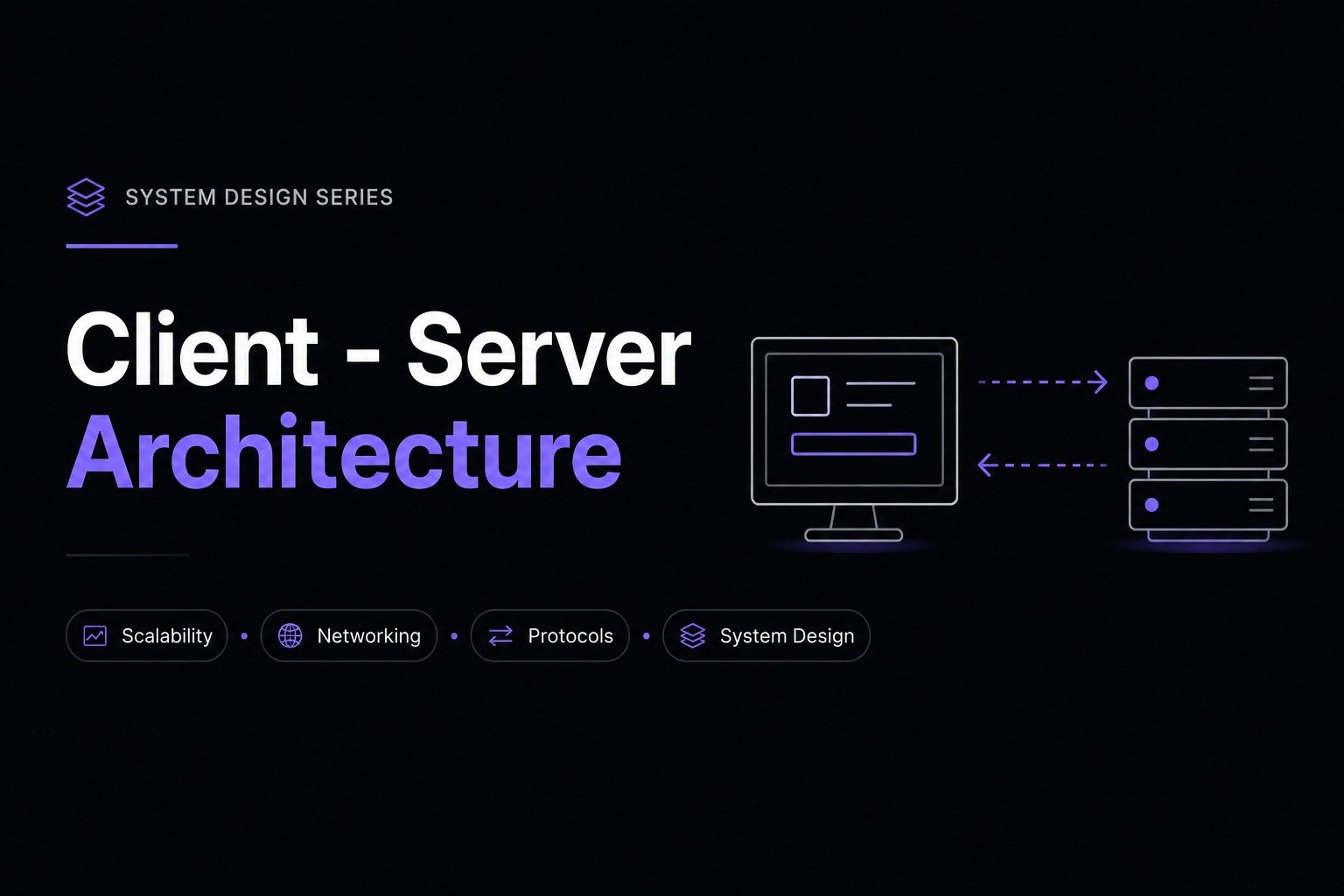
Note: Load balancing, CDNs, and caching go beyond just Node.js and touch upon system architecture. We will discuss these topics in further detail in our upcoming System Design series!